Categories

Pneumonia in Dogs: Symptoms, Treatment, Recovery
Pneumonia in dogs is the same disease as it is in humans. It will not clear up on its own and requires veterinary treatment. If left untreated, it can endanger the life of your pup.
This is how you can recognize the symptoms of pneumonia in dogs so you can take them to the vet quickly.
What Is Pneumonia?
Pneumonia is a respiratory disease, specifically inflammation of the lungs. It can affect one or both lungs. The alveoli (air sacs) fill with fluid or pus causing difficulty in breathing and also persistent coughing.
There are three types of canine pneumonia, defined by its cause.
Causes of Pneumonia in Dogs
Bacterial (or Viral) Pneumonia
The most common form, bacterial pneumonia is caused by a virus or bacteria in the respiratory tract. It is also known as infectious pneumonia as it can be passed on to other dogs. Younger and older dogs, as well as dogs with compromised immunity, are most susceptible. Highly contagious, it can result in what is known as kennel cough.
Various strains of bacteria can produce symptoms of pneumonia in dogs but the worst strain is Bordetella bronchiseptica - this causes the most contagious form of the disease.
Aspiration Pneumonia
This type of pneumonia occurs when your dog inhales medication or vomit accidentally. It might also arise from a neuromuscular disorder, abnormality of the pharynx (throat), or an enlargement of the lower esophagus (a result of acid reflux and/or regurgitation).
Fungal Pneumonia
The least common form, this type is caused by an infection that arises after inhaled spores spread through the body. The disease develops over time and is characterized by a thick nasal discharge and a growly, moist cough.
Pneumonia Symptoms in Dogs
The symptoms of bacterial pneumonia and aspiration pneumonia are very similar. The symptoms will be any combination of the following:
- Coughing
- Difficulty breathing or rapid breathing
- Irregular breathing
- Dehydration
- Runny nose
- Nasal whistling
- Wheezing
- High fever
- Loss of appetite and weight loss
Pneumonia will also make a dog generally lethargic. They may have difficulty in exercising or lose their motivation, tiring out more quickly than usual. Things they like to do, such as a favorite game, may lose interest for them and there’s an increased desire to sleep or just do nothing.
If you notice any of these symptoms, contact your vet immediately.
Diagnosis of Pneumonia in Dogs
Before any treatment or visit it's always a smart idea to contact your pet insurance carrier to see what your plan covers. Be aware of whether your insurance covers vet visits and examinations, or if diagnostic costs go to deductible first.
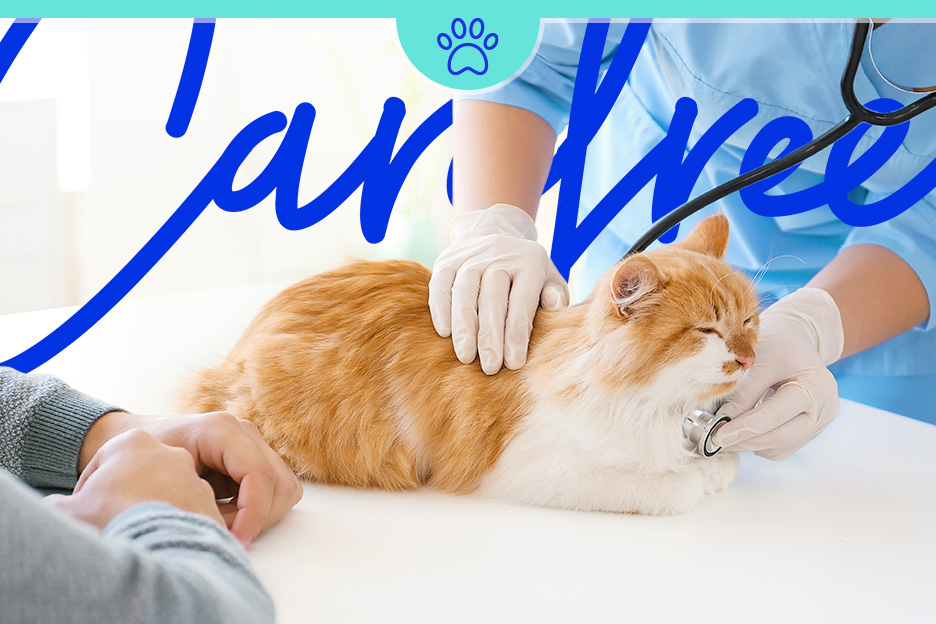
Once you know, bring in your pet for a visit. The veterinarian will ask you about symptoms you've observed, the medical history of your pet and conduct a nose-to-tail physical examination. This will include a temperature check and using a stethoscope to check for any abnormal noises in the lungs when the dog breathes.
To make a confirmed diagnosis, or to establish which type of pneumonia, other diagnostic tests may be undertaken such as blood tests, a urine test, and x-rays. There may also be a swab test of the trachea to identify the type of bacteria causing the infection. This is sometimes carried out under sedation or anesthesia.
Treatment of Canine Pneumonia
Although pneumonia symptoms can make dogs feel ill and comfortable, the prognosis is generally very good, especially if the disease is caught early.
For bacterial or aspiration pneumonia, medicines are prescribed. Typical medications include expectorants and bronchodilators to treat breathing and coughing and nonsteroidal anti-inflammatory medications (NSAIDs) for fever and pain.
In particularly severe cases, hospitalization may be required where your dog will be given intravenous antibiotics and supplementary oxygen, and maybe fluid therapy.
Along with the drugs regime, you as the pet’s owner will have a part to play in recovery. Typically the vet will advise:
- Ensure your dog gets plenty of rest
- Restrict your dog’s activities
- Keep them away from other pets and small children
- Ensure your dog has plenty of fresh water to drink
- Feed them a nutritious diet
- Thoroughly wash all bedding, bowls, collars, leashes, and toys
Some may also suggest using steam treatments to aid breathing. This process is known as nebulization and coupage and is simply running a hot shower to produce lots of steam in the bathroom while you sit with your pet.
Recovery from Dog Pneumonia
The recovery period is 3-5 weeks. Typically, any antibiotics are prescribed for four weeks. The vet may want to see your dog after two weeks to check progress and the effectiveness of the drugs prescribed. This may involve an x-ray.
Gentle exercise and walks can begin after the pneumonia symptoms have not been observed in a week.
Preventing Pneumonia in Dogs
There is no guarantee you can prevent pneumonia in dogs and there is also no vaccination. The best way to keep it at bay is to keep your dog healthy. Feed it a good diet, make sure it stays hydrated and gets plenty of exercise.
Last but not least, have your beloved furry friend covered by pet insurance to ensure they get the care and treatment they need without you having to worry about the cost of vets bills.
About Carefree Pet