Categories
Full List of Foods Dogs Can't Eat
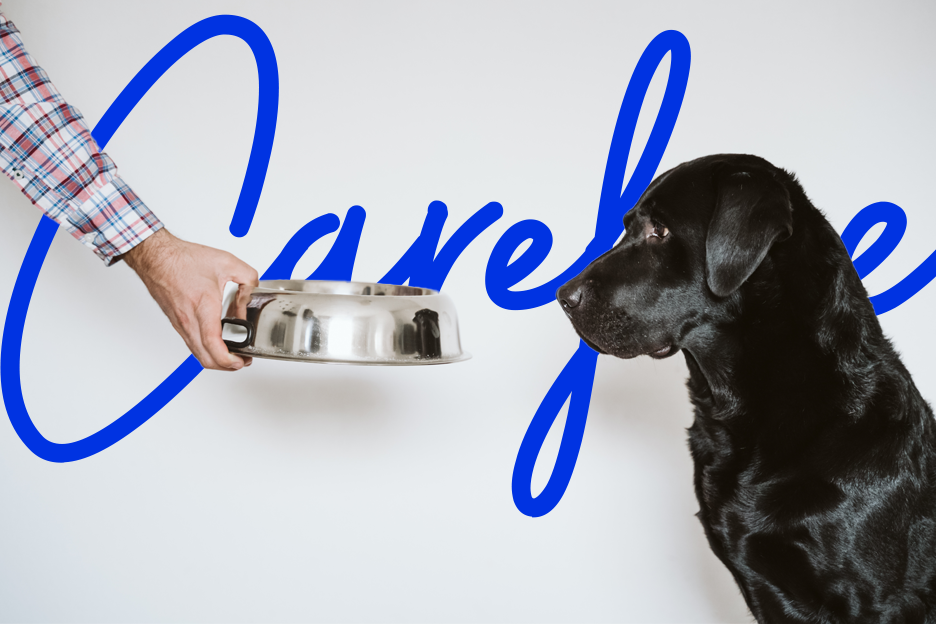
Giving your dog a bite of everything you eat can be tempting. But you should know that some human foods could harm your animal companion. In fact, domestic foods are a major source of nearly 232,000 pet poisonings each year in the US.Knowing which foods to avoid is essential for keeping your dog safe. Here’s a cheat sheet to help you know which foods are dangerous to your dog. You'll also discover a list of nutritious foods safe for your dog.
Foods Your Dog Can't Eat
Here’s a detailed list of foods you must never give your dog.
Alcohol
You may frequently see social media videos of dog owners giving their pets alcohol, with the animals enjoying the drink. If you’re considering sharing alcohol with your dog, it’s a bad idea.
When drinking alcohol around your pet, you must be cautious. Even a tiny amount of alcohol can be fatal to our animal friends.
Dog alcohol poisoning symptoms are similar to human ones. You might see your dog stumble, act disoriented, vomit, or show signs of respiratory issues. In severe cases, coma or death are among the results.
In dogs, even a modest amount of alcohol can result in dangerously low blood pressure and irregular heart rhythms.
So, keep all alcohol out of your dog's reach to guarantee their safety.
Fruit Seeds and Pits (Apple, Apricot, Cherry, & Plum)
Beware of the hidden risks in some fruits' seeds and pits. Dogs can eat delicious apple flesh without any problems, but it's best to keep the core and seeds out of their diet.
These seeds contain cyanide, a deadly chemical that can injure dogs, and high consumption can be deadly. So, keep your dog away from the core and seeds entirely to be on the safe side.
You should also prevent your furry friend from eating the seeds and pits from the following fruits:
- apricots
- cherries
- plums
These fruits’ pits, like apple seeds, also contain cyanide. And eating them can lead to a wide range of symptoms in dogs, such as:
- vomiting
- a rapid heartbeat
- convulsions
- a coma
- death
These symptoms happen due to the red blood cells' poor ability to deliver oxygen to the body's cells.
Always remember that prevention is key when dealing with fruit pits and seeds. So, keep them out of your dog's reach.
Salt
Just like people, dogs need some salt to be healthy, but consuming too much might disturb your dog's cell fluid balance. This may result in health issues you don't want for your furry friend. Tremors, convulsions, and even a coma can result from too much salt.
Your dog should get more than enough salt in their regular dog food, so it’s best to avoid any additional salts to your dog’s diet through snacks. Giving your dog salty treats like potato chips may be tempting, but you should always prioritize their needs. Don’t allow their begging gaze put their well-being in danger.
Keep Spicy Food Away
Your furry friend shouldn’t eat spicy food. The spiciness and heat can have unpleasant side effects like:
- diarrhea
- stomach ulcers
- vomiting
These symptoms can be painful and uncomfortable for your dog and expensive for your budget if your dog requires a vet.
Sugar-Free Gum & Candy
Most sugar-free candies contain an artificial sweetener called xylitol. While sugar-free food can seem harmless to your dog, xylitol isn’t safe for dogs.
When ingested by dogs, it can lead to a sudden drop in blood sugar levels resulting in weakness and even seizures. In a worst-case scenario, some dogs may also experience liver failure due to xylitol consumption.
Surprisingly, cases of dog poisoning related to xylitol, also present in sugar-free baked goods, are increasingly common. Just five pieces of xylitol gum can be fatal for a 65-pound dog.
So, always be vigilant and keep anything containing xylitol far out of your dog's reach to ensure their safety and well-being.
Avocado
Although avocados are healthy for humans, dogs shouldn’t eat them. They contain a chemical compound called persin that is harmful to most animals.
Although dogs are relatively resistant to persin, the exact lethal amount is unknown. So it’s best to keep avocados away from your dog, except your vet recommends otherwise.
Avocado consumption may cause unpleasant symptoms, including vomiting and diarrhea in dogs. It may also result in fluid accumulation in the chest and lungs. Breathing problems and even oxygen starvation can result from this.
Chocolate
While chocolate can be an indulgent pleasure for humans, it poses hidden risks to your dog. Chocolate contains theobromine, an ingredient that can cause problems for dogs.
Theobromine is an ingredient in every type of chocolate, even in white chocolate. However, dark and unsweetened baking varieties contain the highest concentrations and so are the most dangerous kinds of chocolate.
Dogs can suffer greatly when they eat chocolate. And this comes with a significant number of unpleasant symptoms.
Initial symptoms of chocolate toxicity in dogs may include vomiting and diarrhea. But the risks go beyond stomach discomfort. Theobromine can affect the heart, causing irregular pulse and possibly more severe heart problems.
Your dog may experience convulsions, tremors, and even death if they consume enough chocolate.
Raw Yeast Dough
Eating raw yeast-based dough can become an uncomfortable and dangerous experience inside a dog's stomach. When a dog eats yeast dough, the warmth and moisture of their digestive tract create the ideal conditions for the dough to keep rising.
The fermentation process can triple the size of the dough quickly. Their stomach may feel uncomfortable as the dough expands, stretching their belly and sometimes resulting in pain.
In addition, fermenting yeast produces alcohol, and your innocent furry buddy may become ill from alcohol poisonin
Keep yeast dough out of your dogs' reach so they don’t eat it unintentionally to ensure their safety.
Milk and Dairy Products
Though the thought of enjoying a nice scoop of ice cream with your dog sounds good, milk and other dairy products may not be the best choice for their digestive systems.
Unlike humans, dogs usually lack the required enzymes to digest lactose — the sugar present in milk — adequately.
Dogs who consume milk and products containing milk may experience stomach problems like diarrhea and abdominal pain. Additionally, dairy may cause food allergies in some dogs, leading to itching and skin irritation.
It's best to choose alternative snacks and give your pet fresh water to stay hydrated and keep them happy and healthy.
Macadamia Nuts
Even though they’re delicious and crispy, macadamia nuts are off-limits to your canine friend. Macadamia nuts are toxic to dogs, and even a small amount can cause harmful effects in dogs.
Signs that a dog ate macadamia nuts may include:
- muscle shakes
- vomiting
- high temperature
- weakness in the hind legs
Although the exact reason for these symptoms is still not entirely understood, your beloved buddy may feel distress and discomfort.
Eating macadamia nuts and chocolate together has the potential to worsen symptoms and have serious consequences like death.
Fat Trimmings and Bones
Although it may seem spontaneous and natural to share fat scraps or give your dog a bone, it's important to do so carefully, as dogs may experience problems with fat trimmings.
It also doesn't matter if you cook the fat trimmings or not. Consuming fat trimmings can result in pancreatitis (inflammation of the pancreas).
Additionally, it causes stomach pain and may result in more severe consequences. It's important to put your dogs' long-term health and well-being before your own need to share fatty scraps.
While bones are a common dog treat, they can cause many dangers. Bones can be choking hazards, particularly if they splinter or shatter into smaller pieces.
Bone splinters may harm a dog’s digestive system by obstructing it or blocking certain passageways. It eventually results in excruciating discomfort, and your dog may need surgery to resolve the issue.
Nutmeg & Cinnamon
Being careful with the spices you use in cooking is essential for your pet. One common spice is nutmeg. However, you don’t need it when cooking for your dog. Nutmeg contains myristicin, a substance that might be harmful to your pet.
Nutmeg can cause severe vomiting and hallucinations in excessive dosages. For this reason, it's crucial to ignore your dog's imploring eyes when it begs for a treat with nutmeg flavoring.
Consult your veterinarian for advice if your dog unintentionally eats any nutmeg.
Although cinnamon isn’t poisonous to dogs, it can irritate their tongues and cause low blood sugar levels. And your dog's health may suffer significantly due to this blood sugar reduction. So, don’t give your dog meals containing cinnamon.
Your Medicine
Dogs are curious animals, so you must keep all medication out of their reach just as you do with children. Never give your dog human prescription drugs. They may worsen their condition rather than make it better.
Dogs can die from taking over-the-counter medications, including acetaminophen or ibuprofen, frequently present in painkillers and cold medications.
Before giving your dog any over-the-counter medication, always seek advice from your veterinarian.
Grapes and Raisins
Although raisins and grapes may be pleasant and healthy to you, they are pretty dangerous to your dog's health. Grapes and raisins can cause kidney failure even in small amounts. So, you want to keep your dog away from these fruits.
Early warning indications of eating grapes or raisins include:
- nausea
- drowsiness
- depression
If your dog eats grapes or raisins, contact your vet immediately.
Onions and Garlic
Onions and garlic are off-limits to your dog, whether raw, cooked, or dehydrated. Compounds in these foods can kill their red blood cells, leading to anemia. Other members of the Allium family are also dangerous, including leeks, chives, and shallots.
Even onion powder can be dangerous, and consuming a large quantity at a time can result in poisoning. It causes symptoms like:
- weakness
- vomiting
- breathing difficulties
If you see these signs, don't ignore them. Call your veterinarian immediately.
Raw Eggs
While some pet parents choose to feed their pets an uncooked egg-based "raw diet," many veterinary medical associations don’t support this idea.
Salmonella or E. coli-related food illness can occur from eating raw eggs. If you have any queries or worries about feeding raw eggs to your dog, it is best to speak with your veterinarian.
Broccoli
Although broccoli may provide nutritional benefits, be cautious when giving it to your dog. In high doses, the isothiocyanates found in broccoli can be toxic to animals.
While occasional consumption of a small amount of broccoli may be acceptable, it’s best to stay away from it completely rather than risk your dog’s health. There are tons of alternative nutritious food options available for your furry buddy.
Also, remember that broccoli stalks can present a choking risk to your dog.
Caffeine & Coffee Grounds
Dogs are especially vulnerable to the stimulant caffeine. Sadly, if your canine friend consumes the methylxanthines found in caffeine, it could have disastrous effects.
Caffeine ingestion can cause severe symptoms such as:
- deadly vomiting
- convulsions
- abnormal heartbeats
Consuming coffee grounds or caffeinated beverages can also cause a fast heartbeat and other health problems like:
- seizures
- tremors
- abnormal heartbeats
- respiratory problems
Mushrooms
It's best to be safe with mushrooms and keep your dog away from them. Different chemicals that mushrooms may contain could be harmful to your pet.
Some mushrooms may cause kidney and liver failure if your dog eats them. It could also result in:
- vomiting
- diarrhea
- hallucinations
- damage to red blood cells
While washed white mushrooms from the grocery store may be safe, it's best to opt for alternative treats to ensure your dog's well-being.
Tomatoes & Raw Potatoes
Potatoes and tomatoes are examples of foods that can be risky in some forms but safe in others. It's generally okay for dogs to eat ripe, red tomatoes.
The green parts of the tomato plant, on the other hand, are harmful since they contain solanine, a poisonous substance to dogs. Also, unripe tomatoes contain solanine, so you shouldn't feed them to your dog.
Similarly, potatoes are typically safe for dogs in small amounts when baked or boiled without any additives. However, because raw potatoes contain solanine, keep them out of your pet's reach.
Tobacco
Tobacco and its nicotine-containing products pose significant dangers to your furry friend. Exposure to tobacco can result in a range of distressing symptoms for dogs:
- vomiting
- diarrhea
- rapid or difficult breathing
- agitation, etc.
Dogs who have more severe conditions could develop blue gums and go into a coma. Sadly, it might even be lethal.
Dogs are naturally curious and may discover smokes when out on walks, or they may investigate ashtrays that contain cigarettes.
If your dog consumes tobacco or other nicotine goods, you must act immediately. Consult a veterinarian to ensure your dog gets the proper care and attention.
Foods That Are Healthy for Your Dog
Now that you know which foods to avoid, which foods can your dog eat? Here’s a list of foods that are healthy for your dog.
Carrot, Celery, and Cucumber
If your dog is overweight, give them a healthy treat with bite-sized carrot pieces. These little treats are low in calories and offer a satisfying crunch that dogs adore. Plus, they're great for their dental health too.
Celery bites are another excellent option to combat bad breath and provide a fun crunch for your dog.
Cucumber slices are highly nutritious, with vitamins and minerals. They also offer the benefit of being low in carbs and fats, making them a refreshing and nutritious choice.
Cheese
You can give your dog some cheese, but do so with caution. Ideally, you should keep your dog from dairy products, but if your pet isn't lactose intolerant, little cheese may be acceptable.
Choose low-fat options like mozzarella. Even better, ask your veterinarian about the ideal type of cheese for your dog. When it comes to cheese, moderation is crucial.
Blueberries
Give your dog some delicious blueberries. These small delights are not only tasty but also very nutritious. Blueberries contain:
- antioxidants
- fiber
- phytochemicals
- vitamin C
You can improve your dog's general health by giving them blueberries. You'll enjoy seeing your dog eagerly eat these healthy berries.
Fruits
Apples are a tasty and beneficial treat for dogs. But because the core and seeds are poisonous, it's important to remove them.
Give your dog thin, seedless apple slices instead so they can eat them without hurting themselves.
On the other hand, bananas are a fantastic source of healthy nutrients and natural sweetness. Share some peeled, ripe bananas with your dog.
They will enjoy the flavor and the creamy texture. Additionally, bananas are a good source of potassium and dietary fiber. This encourages gastrointestinal health.
Oranges can be a part of your dog's diet. They’re okay for dogs to eat in moderation, but because they include citric acid, it's best not to overdo it.
The following fruits are other safe options for dogs:
- cantaloupe
- mango
- peaches
- pears
- pineapples
- watermelon.
Cantaloupes are a great for dogs, and watermelon may be a treat to cool off on hot days. To avoid choking, just make sure to remove the rinds and seeds.
In moderation, your dog can also safely eat mangoes, peaches, pears, and pineapples; just make sure you remove any seeds, pits, or cores beforehand.
Try different fruity treats to determine which one your dog prefers.
Lean and Thoroughly Cooked Meats
Lean meat is a protein-rich alternative that satisfies your dog's palate and promotes overall health. So, give your dog lean, thoroughly cooked meat. You must ensure that there are no fats in this meat.
You don't always have to stick with a tender cut of beef. You can also give your dog a tender piece of chicken. Ensure there are no bones because they could hurt or cause choking hazards to your dog.
Cooked White Rice or Pasta
Give your dog cooked white rice or pasta to soothe them if they’re having stomach issues. These simple, quickly digestible carbs can offer comfort and aid in settling their tummy.
Think about adding some boiling chicken to the rice or pasta for an extra boost of nutrition. This increases the amount of lean protein and can increase comfort. However, remember to remove any bones that could harm your dog.
Nutritious Vegetables
Add more nutrient-dense vegetables to your dog's diet. Offer them low-calorie snacks that are healthy and filling, such as:
- carrot sticks
- green beans
- cool cucumber slices
- >zucchini slices
These vegetables provide essential vitamins, minerals, and dietary fiber that support your dog’s health.
If you choose a baked potato, be sure it’s free of any toppings or flavors your dog might find poisonous.
Eggs
Eggs are a nourishing food for your dog. When fully cooked, eggs are great treats that will make your dog wag their tail.
Scrambled eggs can be a calming alternative, especially if your dog has a tummy ache. While the high-quality protein content of scrambled eggs helps their general well-being, the soft and fluffy texture is great for their digestive system.
Honey & Coconut
When used sparingly, honey can make a delicious complement to the treats you give your dog. Honey not only has a delicious and natural sweetness, but it also has vitamins and minerals that are good for your dog's overall health.
Consider adding a small amount of honey to their food or giving them as an occasional treat.
Coconut and honey can add a touch of the tropics to your dog's diet. When consumed in moderation, coconut can enhance your dog's health in many ways.
This exotic treat contains lauric acid, whether in the form of coconut milk or coconut oil and has antiviral and antibacterial qualities. Additionally, coconut oil may help with allergies.
Remember that fresh coconut or coconut milk may cause gastric distress in some dogs. So, it is best to introduce it gradually and gauge your dog's response.
Keep in mind that your pet shouldn't consume coconut water. Also, ensure your dog doesn't eat the coconut shell, which can be a choking risk.
Shrimp & Fish
Shrimp provides your dog with a delicious and protein-rich treat when thoroughly cooked.
Before giving it to them, remove the shell, head, tail, and legs. Avoid adding seasoning, salt, or butter to shrimp because doing so can be unhealthy for dogs.
Your furry friend will enjoy every bite of shrimp because of its delectable flavor and soft texture.
Salmon and sardines, in particular, can be an excellent supplement to your dog's diet and are rich in omega-3 fatty acids. Omega-3 fatty acids encourage skin and coat health.
Ensure you cook the fish you feed your dog thoroughly and remove the bones to lessen the risk of choking or intestinal problems. A decent rule of thumb is to give fish to your dog no more than twice per week.
In moderation, you can give your dog plain, canned tuna. Just make sure it’s packed in water and not oil. However, avoid adding it frequently to their diet and instead make it an occasional treat to control the amount of salt and mercury they ingest.
What Should You Do When Your Dog Eats What It Shouldn't?
Your dog may occasionally eat hazardous substances despite your efforts. And this may pose a life-threatening situation. Here is what you should do instead of freaking out:
Assess Symptoms
Keep a close eye on your dog's symptoms and assess their health. Make sure you closely observe any obvious indications. Depending on what they eat, dogs may react differently.
The initial step is to quickly recognize any alarming symptoms, such as:
- vomiting
- shaking <panting
- diarrhea
- loss of appetite
- lethargy
All these symptoms could indicate ingestion of a toxic substance.
Seek Veterinary Attention
Act quickly by taking your dog to the vet right away. Your vet has the expertise to evaluate the situation and choose the best course of action.
For instance, if your dog consumes foods like chocolate or onions, your vet may decide to induce vomiting to help them throw it up. Your veterinarian may request X-rays in cases where your dog ingests an object, such as a small toy or pieces of remote control, to locate and identify the object.
Based on their findings, they’ll choose the best strategy to deal with the situation successfully. Take your dog to the closest emergency veterinary facility if you can't reach your local vet to get quick treatment.
Involving a vet immediately will help protect your dog's health and increase the likelihood of effective treatment. When dealing with probable poisonous ingestions or foreign item ingestion in dogs, remember that time is of the essence.

Get the Best Vet Care For Your Dog With Carefree Pet
You don’t have to worry about vet care bills if your dog eats something it shouldn’t. With a Carefree Pet membership, you can rest assured that your furry buddy will get excellent care without going over budget.
Within our wide-ranging provider network, our unique plans provide discounts on various therapies and services for your pet.
Learn more about our affordable pet care plans today.
About Carefree Pet